

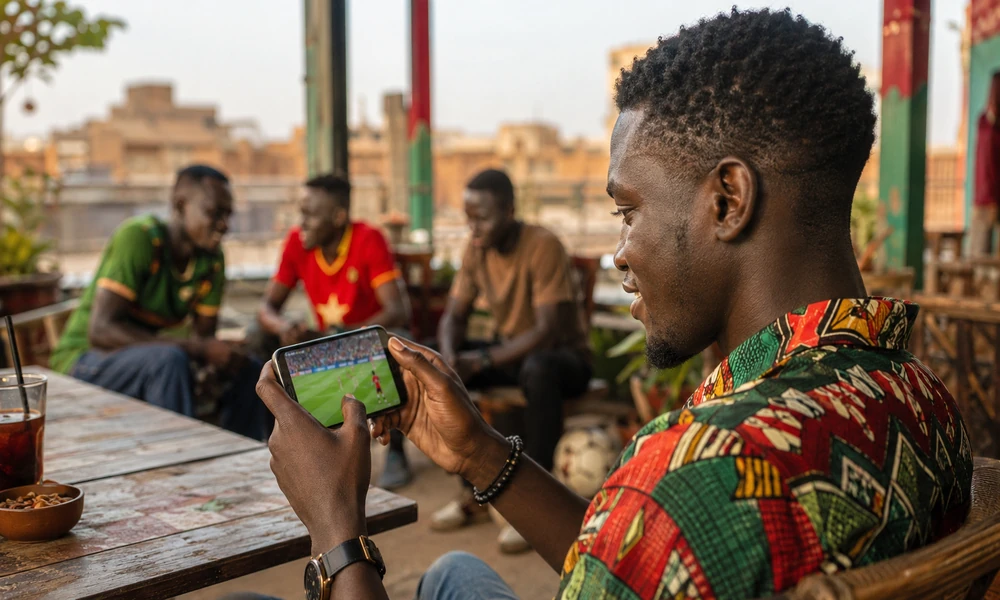
Burkina Faso’s digital landscape is changing steadily as smartphones become more accessible and mobile internet services reach a broader audience. People increasingly use their phones to communicate, follow sports, transfer money, read news, watch videos, and explore new forms of interactive entertainment.
This shift has created opportunities for digital platforms designed specifically around mobile behaviour. Instead of treating smartphones as smaller versions of desktop computers, developers are building experiences that prioritise speed, simplicity, and convenient access from the beginning.
For users in Ouagadougou, Bobo-Dioulasso, Koudougou, Banfora, and other parts of the country, mobile technology is becoming an important connection to both local and international entertainment.
Smartphones Are at the Centre of Digital Growth
A desktop computer requires a fixed location, a stable power supply, and often a home internet connection. Smartphones are much more flexible. Users can carry them throughout the day and connect through mobile networks whenever service is available.
This flexibility has made smartphones the primary digital device for many people. A single phone can provide access to messaging, social media, banking services, sports coverage, music, video, and interactive games.
Digital publishers must therefore think carefully about how their content appears on smaller screens. Pages need to load quickly, buttons must remain easy to select, and essential information should not be hidden behind complicated menus.
A mobile-first website should also work across a wide range of devices. Not every visitor has the newest model or the fastest connection. Platforms that perform well only on expensive smartphones will exclude a large part of their potential audience.
Efficient Design Matters More Than Visual Complexity
Modern websites often use large images, animated backgrounds, and interactive effects. These elements can create an impressive appearance, but they may also increase loading time and mobile data consumption.
In Burkina Faso, efficient design is a practical advantage. A lightweight page can remain accessible even when network conditions are inconsistent. Visitors are more likely to continue using a service when information appears quickly and navigation responds without delays.
Good mobile design places the most important features near the top of the screen. Text remains readable without zooming, controls have sufficient space, and users can return to the main page easily.
The objective is not to remove personality from the design. It is to ensure that visual elements support the experience instead of creating unnecessary obstacles.
Localisation Goes Beyond Translation
French is widely used in education, business, and digital publishing across Burkina Faso. Providing a French-language interface is therefore an important first step, but effective localisation requires more than translating standard text.
The language should sound natural and remain easy to understand. Instructions, account settings, transaction conditions, and customer assistance should use consistent terminology. Poor automated translations can create confusion and reduce confidence.
Localisation also means recognising regional habits. Mobile payment preferences, commonly used devices, connection quality, and popular sports may differ from those in European or Asian markets.
A platform built for a global audience can still serve Burkinabè users effectively, but it needs to adapt its presentation and services to the local environment.
Readers who want to explore information created around these regional needs can visit WinFaso, where locally focused content helps connect digital entertainment with the interests of users in Burkina Faso.
Mobile Payments Encourage Wider Participation
Mobile money has become an important part of everyday financial activity across many African countries. It allows users to send funds, pay bills, and complete purchases without depending entirely on a conventional bank account.
This development supports the growth of digital services. People are more willing to use an online platform when its payment process reflects methods they already understand.
However, convenience must be accompanied by clarity. Users should know which methods are supported, whether any fees apply, how long processing may take, and what steps are required to confirm a transaction.
A trustworthy platform presents this information before a user begins. It should also provide an accessible transaction history so people can review their activity at any time.
Complicated payment procedures can discourage new visitors. Simple instructions and transparent conditions create a much stronger first impression.
Sports Culture Supports Interactive Communities
Football has an important place in Burkina Faso’s public life. Supporters follow the national team, regional competitions, major African tournaments, and international leagues. Mobile technology has made this information much easier to access.
Sports enthusiasts can now receive match notifications, review team news, watch highlights, and discuss performances with other fans from a single device.
Interactive platforms add another layer to this experience through quizzes, predictions, fantasy competitions, and community discussions. These features allow supporters to participate rather than simply consume information.
The strongest sports platforms understand that local audiences want more than coverage of large European clubs. Regional competitions, African players, national-team developments, and local football stories deserve visible placement.
Platforms that recognise these interests can build a more meaningful relationship with their audience.
Clear Information Helps Users Make Better Choices
As the number of digital entertainment services grows, comparing them becomes more difficult. Similar designs and promotional messages may hide important differences in performance, accessibility, support, and account conditions.
Independent guides can help readers understand these differences. Useful reviews explain how a platform works, which devices it supports, what payment methods are available, and whether its policies are clearly presented.
A good guide should not rely only on promotional language. It should identify both strengths and limitations so readers can make their own decisions.
Users should also check whether a website provides:
- Clear terms and conditions
- An accessible privacy policy
- Secure account access
- Responsive customer assistance
- Transparent transaction information
- Tools for managing time and spending
- Reliable performance on mobile devices
These factors are more meaningful than attractive banners or short-term promotional messages.
Digital Safety Should Remain a Priority
Greater access to online services also increases the importance of digital security. Users should protect their personal information and remain cautious when following links shared through messages or social media.
Strong, unique passwords provide a basic level of protection. Reusing the same password across multiple websites can create additional risks if one service experiences a security problem.
Users should also verify the web address before entering account details. Imitation pages may copy the design of familiar platforms while attempting to collect private information.
Reliable services can support safer habits by using secure connections, offering account notifications, and clearly explaining verification procedures. Customer assistance should be available when users notice unfamiliar activity or experience difficulties accessing their accounts.
Responsible Use Creates a Better Experience
Mobile entertainment is available throughout the day, which makes personal limits especially important. Digital activities should remain a balanced part of life rather than interfering with work, education, relationships, or essential expenses.
Users can establish healthy habits by deciding in advance how much time they want to spend online. Taking regular breaks and disabling unnecessary notifications can also help maintain balance.
Financial limits are equally important when a platform includes paid features. Entertainment spending should always remain separate from money reserved for food, housing, education, transportation, and other necessities.
Responsible platforms recognise these concerns. They provide account-management tools, activity records, spending controls, and clear routes to assistance.
The Importance of Local Digital Publishing
Local and regional publishers play an important role in Burkina Faso’s online development. International platforms may introduce useful technology, but local publications understand the questions and priorities of their own audience.
They can explain unfamiliar features in accessible language, identify locally supported payment methods, and highlight content relevant to Burkinabè users.
Local publishers can also encourage higher standards by examining how platforms handle transparency, mobile performance, customer support, and user protection.
As digital participation grows, readers will increasingly depend on reliable sources that separate useful information from exaggerated promotion.
What the Future May Bring
The next stage of Burkina Faso’s digital transformation will likely be shaped by improved mobile infrastructure, more affordable devices, and stronger competition between online services.
Users will expect faster platforms, clearer information, better French-language support, and experiences adapted to local preferences. Services that ignore these expectations may struggle to retain attention.
There may also be greater demand for African sports coverage and community-driven features. Local tournaments, national athletes, and regional competitions offer opportunities for publishers to create content that cannot be replicated by generic international websites.
Technological progress alone will not determine which platforms succeed. Trust, accessibility, and cultural relevance will be equally important.
Final Thoughts
Mobile technology is creating new ways for people in Burkina Faso to access digital entertainment. Smartphones, mobile internet, and convenient payment tools have made interactive services available to a wider audience.
The best platforms will combine technical performance with meaningful localisation. They will load efficiently, communicate clearly in French, support familiar payment methods, and provide useful information about security and responsible participation.
For users, greater choice brings both opportunity and responsibility. Comparing services, reviewing their conditions, protecting account information, and maintaining personal limits can lead to a safer and more positive experience.
Burkina Faso’s mobile-first journey is still developing. As connectivity improves and local digital knowledge expands, the country is well positioned to become an increasingly active part of West Africa’s online entertainment ecosystem.

Comments are closed.